Hardie board is the go‑to solution for homeowners and builders who need a weather‑resistant, low‑maintenance exterior cladding that can stand up to harsh climates, fire exposure, and the test of time. By combining cement, sand, and cellulose fibers, James Hardie’s fiber‑cement panels deliver the look of wood, stucco, or stone without the drawbacks, making them a top choice for both new construction and renovation projects in 2026.
Understanding Hardie Board: Composition and Core Features
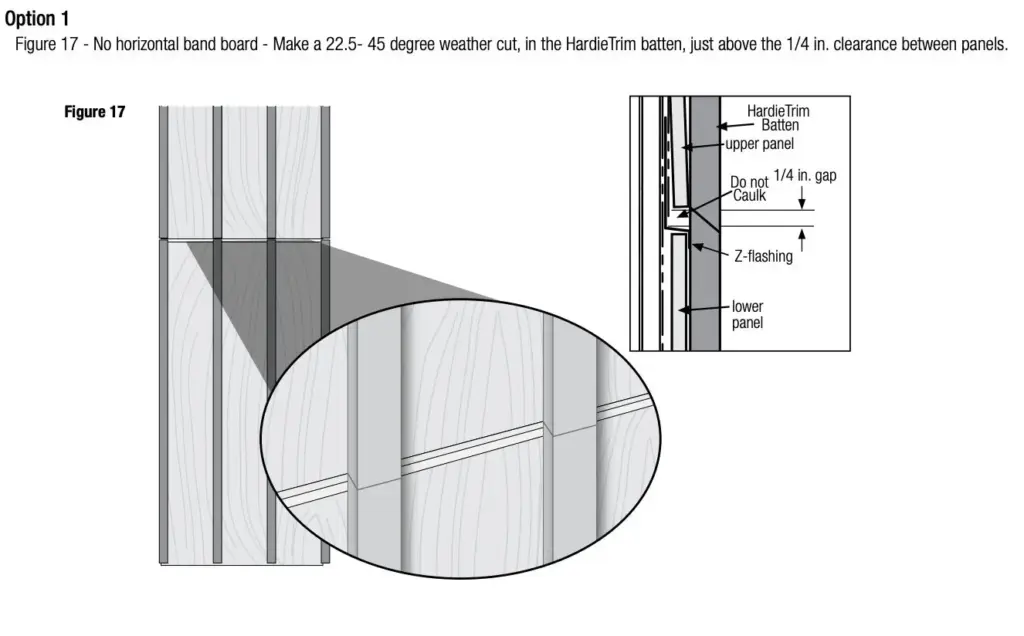
Hardie board, officially known as James Hardie fiber‑cement siding, is engineered from a blend of Portland cement, sand, and cellulose fibers. This mixture is pressed, cured, and cut into panels that can be painted or left with a factory‑applied finish. The product family includes the popular HardiePlank® lap siding, HardiePanel® vertical siding, and the HardieShingle® series, each designed for specific architectural styles.
Because the material is non‑organic, it resists rot, termites, and mold—issues that plague traditional wood siding. Moreover, Hardie board meets the International Building Code (IBC) requirements for a Class A fire‑rated material, giving it a clear advantage over many vinyl or aluminum options.
Table of Contents
- Understanding Hardie Board: Composition and Core Features
- From Early Innovations to Modern Performance
- Top Benefits of Hardie Board in 2026
- Cost Overview: What to Expect in 2026
- Step‑by‑Step Installation Guide
- Common Mistakes and How to Avoid Them
- Real‑World Case Study: A Texas Home Retrofit
- Frequently Asked Questions (FAQ)
- Is Hardie board suitable for high‑humidity coastal regions?
- Can I install Hardie board over existing vinyl siding?
- How long does Hardie board last?
- Do I need a professional for painting?
- Choosing the Right Contractor for Hardie Board Installation
- Future Trends: Hardie Board in 2027 and Beyond
- Conclusion
From Early Innovations to Modern Performance
James Hardie introduced its first fiber‑cement siding in the 1990s, aiming to replace the labor‑intensive plaster used in Australian homes. Over the past three decades, the company has refined its manufacturing process, adding moisture‑resistant additives and a proprietary “ColorPlus® Technology” that locks pigment into the panel for lasting color fidelity. By 2026, more than 15 million square feet of Hardie board have been installed across the United States, according to the James Hardie Annual Report 2025.
Top Benefits of Hardie Board in 2026
- Durability: Tested to withstand up to 10 years of continuous exposure to rain, wind, and UV radiation without cracking or warping.
- Fire Resistance: Rated “non‑combustible” and often used in fire‑prone zones, meeting the standards of the National Fire Protection Association (NFPA) 285.
- Low Maintenance: Requires only occasional repainting every 10‑12 years, compared with the 3‑5 year cycle typical for vinyl siding.
- Aesthetic Flexibility: Available in a wide palette of textures and colors, it can mimic wood, stucco, or even stone veneer.
- Eco‑Friendly: The raw materials are abundant, and the panels are recyclable at the end of their lifespan.
These attributes explain why Hardie board often outperforms other cladding choices, such as fiber cement siding alternatives that lack the same brand‑backed warranties, or the more affordable but less fire‑resistant vinyl options.
Cost Overview: What to Expect in 2026
When budgeting for an exterior remodel, understanding the price spectrum helps avoid surprises. According to the 2026 Housing Market Cost Index by the National Association of Home Builders (NAHB), the average material cost for Hardie board ranges from $4.50 to $7.20 per square foot, depending on thickness (5 mm vs. 8 mm) and finish.
Installation labor adds roughly $2.00‑$3.50 per square foot, with a typical residential project (2,000 sq ft) costing between $13,000 and $21,000 in total. By comparison:
- Vinyl siding: $3.00‑$5.50 per sq ft (material only)
- Metal siding: $5.00‑$8.00 per sq ft (material only)
- Stone veneer (real stone): $12.00‑$18.00 per sq ft (material only)
While Hardie board’s upfront expense exceeds that of vinyl, its longevity and reduced repaint cycles lead to a lower life‑cycle cost. Homeowners who prioritize safety and durability often find the investment justified, especially in regions with strict fire codes.
Step‑by‑Step Installation Guide
Installing Hardie board is a manageable DIY project for seasoned handymen, but professional installation ensures compliance with warranty terms. Below is a concise workflow that aligns with the manufacturer’s installation manual (2025 edition):
- Site Preparation: Remove existing siding, repair any damaged sheathing, and install a weather‑resistant barrier (e.g., Typar® house wrap).
- Measure & Cut: Use a circular saw with a carbide‑tipped blade to cut panels to length; always wear a N95 mask to avoid dust inhalation.
- Fastening: Secure panels with corrosion‑resistant, self‑drilling screws spaced 12 in. on edges and 16 in. in the field, following the official guide.
- Joint Treatment: Apply a high‑quality exterior joint sealant to all seams; Hardie recommends FiberSeal® for optimal adhesion.
- Finishing: If the panels are not pre‑painted, prime with a masonry primer and apply two coats of elastomeric paint for added moisture protection.
Safety tip: Always wear eye protection and a respirator when cutting or sanding Hardie board, as the fine cement dust can be hazardous.
Common Mistakes and How to Avoid Them
Even experienced contractors can stumble on a few pitfalls that affect performance and warranty validity:
- Improper Fastening Depth: Screws set too deep can cause panel cracking; the head should sit flush with the surface.
- Skipping the Weather Barrier: Omitting house wrap eliminates the “drain plane” needed for moisture control.
- Using the Wrong Sealant: Silicone sealants are not paintable; choose a urethane‑based product for a seamless finish.
- Neglecting Expansion Gaps: Hardie board expands with temperature changes; leave a ¼‑inch gap at window and door openings.
Real‑World Case Study: A Texas Home Retrofit
When a 2,800‑sq‑ft ranch home in Austin faced recurring water damage after three severe hailstorms in 2024, the owners opted for a full exterior overhaul using Hardie board. Partnering with a certified Hardie installer, they replaced the aging vinyl siding, added a Typar® house wrap, and selected the HardiePlank® Lap Siding in “Weathered Cedar.” The project cost $18,600, including labor, and the house now meets the International Residential Code (IRC) 2025 fire‑rating requirements for the area. Within a year, the homeowners reported zero water intrusion, and the new siding retained its color despite the intense Texas sun—a testament to the product’s durability.
Frequently Asked Questions (FAQ)
Is Hardie board suitable for high‑humidity coastal regions?
Yes. The cement matrix repels moisture, and when combined with a proper vapor barrier, Hardie board performs exceptionally well in salty, humid environments. The Coastal Home Builders Association (CHBA) listed it as a recommended material in their 2025 “Coastal Resilience” guide.
Can I install Hardie board over existing vinyl siding?
It’s technically possible but not advised. Installing over vinyl adds unnecessary weight and can trap moisture, leading to delamination. Removing the old siding and installing a new weather barrier yields the best results and preserves the warranty.
How long does Hardie board last?
When maintained according to the manufacturer’s guidelines, Hardie board has a projected lifespan of 50 years or more. Its non‑organic composition means it won’t rot or be eaten by termites.
Do I need a professional for painting?
While DIY painting is feasible, professionals ensure proper surface preparation and use compatible paints. A certified Hardie painter can also verify that the paint system meets the ColorPlus® warranty requirements.
Choosing the Right Contractor for Hardie Board Installation
Selecting a qualified installer is as critical as choosing the material itself. Look for contractors who hold a James Hardie Certified Installer badge, which confirms they’ve completed the company’s training program on handling, cutting, and fastening the panels.
For a local, vetted list of professionals, consult resources such as Find the Best Siding Near Me in 2026. The guide outlines how to verify licensing, review past projects, and compare quotes, helping you avoid hidden costs.
Additionally, cross‑reference the contractor’s portfolio with projects that involve other cladding materials like metal siding or stone veneer. A diverse portfolio signals experience with proper flashing and moisture management—skills directly transferable to Hardie board installations.
Future Trends: Hardie Board in 2027 and Beyond
Industry analysts at the 2026 Home Exterior Innovation Summit predict three key trends for Hardie board:
- Smart Paint Integration: Nano‑coating technologies that self‑clean and monitor humidity levels are being tested for compatibility with Hardie’s cement base.
- Prefabricated Panel Systems: Modular wall sections that snap together on site will reduce labor time by up to 30 %.
- Enhanced Sustainability: James Hardie has committed to a 30 % reduction in CO₂ emissions from its manufacturing process by 2030, making Hardie board an increasingly green option.
These innovations aim to keep Hardie board at the forefront of exterior cladding, balancing aesthetic flexibility with performance and environmental responsibility.
Conclusion
Hardie board remains a premier choice for homeowners who demand a resilient, fire‑rated, and visually versatile exterior solution. While the initial cost exceeds that of traditional vinyl or aluminum siding, the long‑term savings, reduced maintenance, and superior durability make it a sound investment—particularly in climates where moisture, fire, or termites pose a real threat. By partnering with certified installers, adhering to proper installation practices, and staying informed about emerging technologies, you can ensure that your Hardie board project delivers lasting value and curb appeal for decades to come.
Ready to explore your options? Dive deeper into related siding topics, such as why vinyl siding still reigns supreme or the latest on metal siding mastery, to make a fully informed decision for your next home improvement project.
